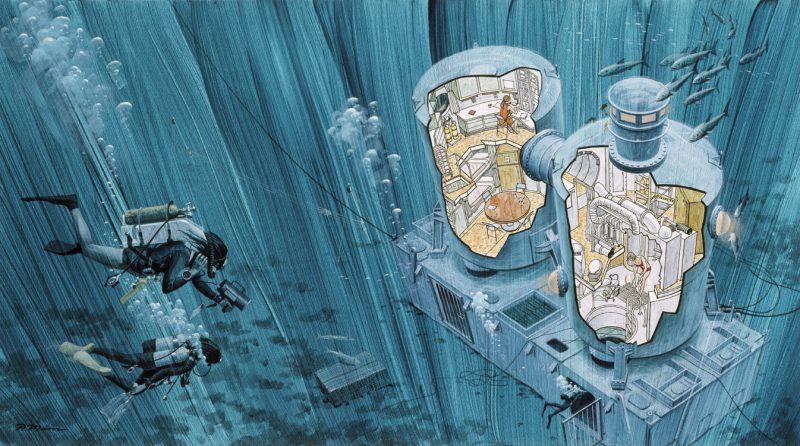
As the U. S. spaceprogram shifted its emphasis in the late 1960s from shorter missions to living in outer space for longer periods of time, the National Aeronautics and Space Administration (NASA) developed TEKTITE, an underwater station housed in the U. S. Virgin Islands, for testing group psychology under isolated living conditions.
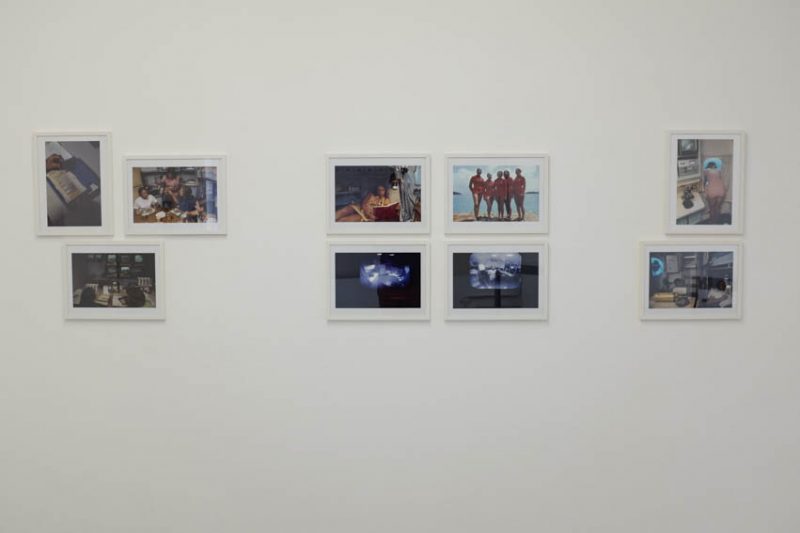
Initially prepared as a behavioral study of the scientists, NASA´s transcripts reveal the conditions of observation an surveillance that characterized a culture on the cusp of Watergate – a broader cultural moment when performances were mediated, and action swere quantified. Corrdinated by the Tektite Revisited Working Group, this reading presents unedited transcripts of aquanaut activities made during one of the program´s missions in 1970.
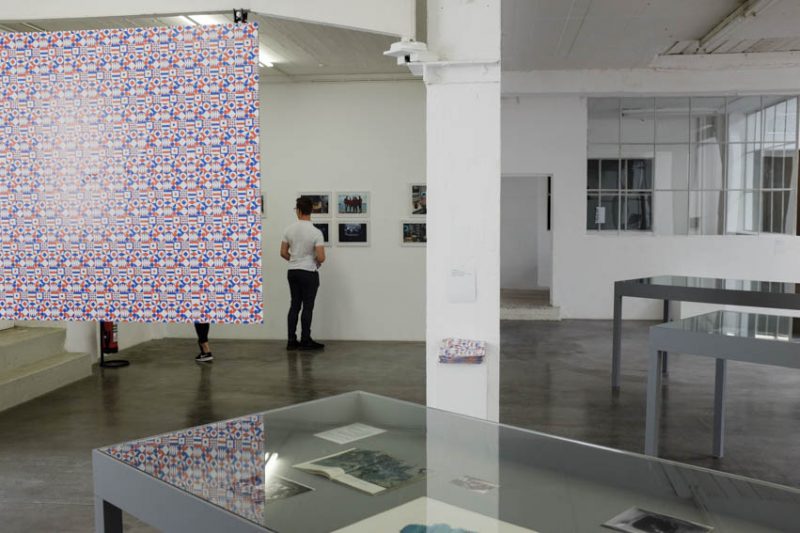
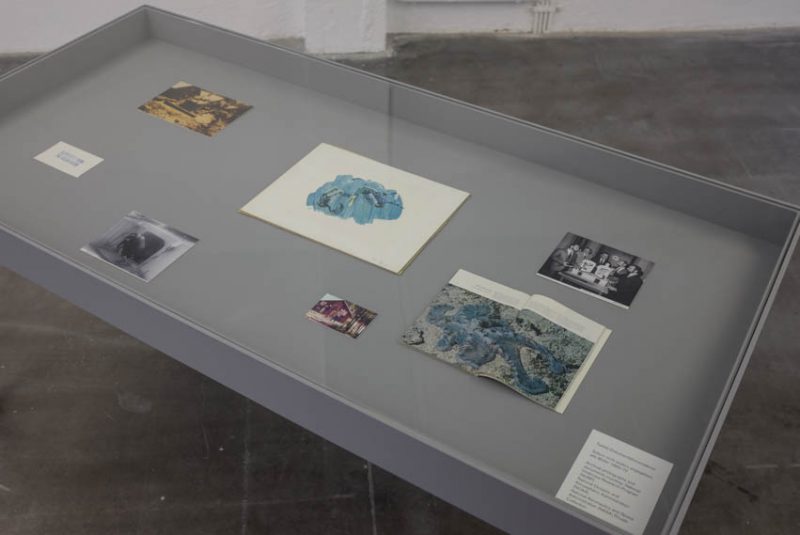
Conceived in 2010, Tektite Revisited is an interdisciplinary research platform exploring the confluence of scientific exploration, communication technologies, and utopian modes of dwelling in the 1960s and 1970s.
Tektite Revisited is led by documentary filmmaker Meghan O´Hara, Assistant Professor of Documentary Film at the California State University-Monterey Bay; and by curator and art historian James Merle Thomas, Provost´s Postdoctoral Scholar in the Humanities at the University of Southern California.